

The Pastor’s Study
The Virtues of Fostering Community within the Church
Volume 1 – Issue 5
Bishop Jay Offer
As a pastor, embracing the calling to serve and shepherd a congregation involves many responsibilities, but none is as vital as fostering a strong sense of community within the church. This simple principle has been lost over the years. On Sundays, congregations all over the country walk into well sculpted contemporary images with lights, cameras and plenty of action. While that may create an environment for gathering, it is only a small part, if a part at all, of building the church. The essence of Christianity is rooted in the teachings of Jesus Christ, which emphasize love, compassion, and unity. Cultivating a thriving community within the church is a reflection of these teachings and serves as a beacon of hope and faith to both believers and non-believers alike.
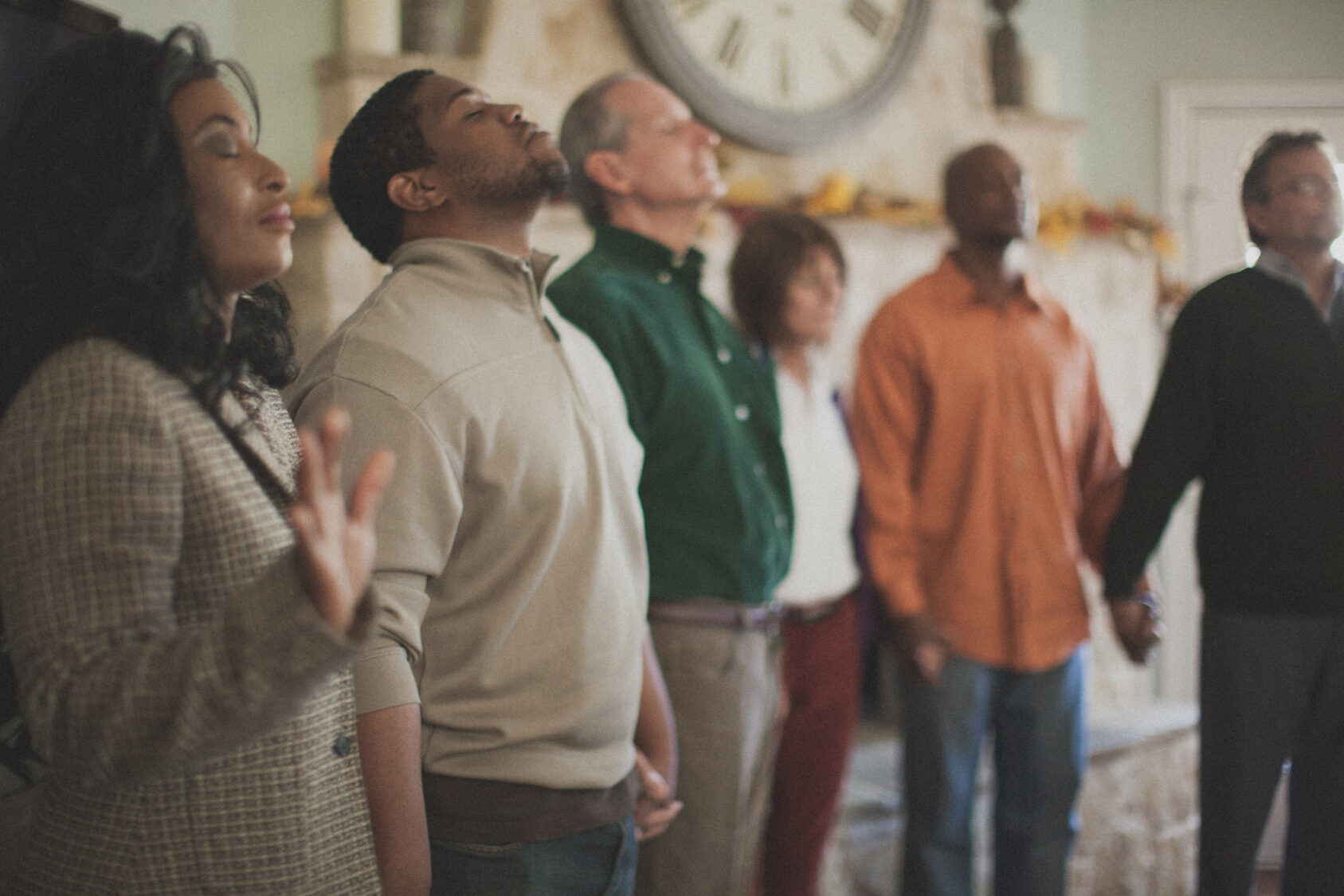
First and foremost, creating a community within the church establishes a sense of belonging. In today’s rapidly changing world, many individuals experience loneliness and displacement. Within the church, however, they can find a spiritual home where they feel accepted, supported, and understood. As Pastor, it is essential to create an inclusive environment where everyone is welcome, ensuring that new members feel as valued as those who have been pillars of the church for decades. This inclusivity nurtures love and acceptance, embodying Christ’s commandment to “love one another” (John 13:34).
Moreover, a church community serves as a support network, offering emotional, spiritual, and even physical support. Whether it is offering meals to a grieving family, visiting the sick, or providing guidance to those in spiritual turmoil, the church community acts as the hands and feet of Jesus in service to others. This mutual support strengthens faith and encourages individuals to live out their Christian beliefs actively, promoting a sense of purpose and fulfillment. When I was young, the church I grew up in was my social center. My closest friends to this day are the ones I made in church. Though my childhood was split between Miami and suburban Washington D.C., I still have very close ties to friends made in Miami that I am in contact with even today as we live in the suburbs of Baltimore. We did everything together.
In addition to meeting individual needs, a vibrant church community plays a crucial role in discipleship and spiritual growth. Engaging in small groups, Bible studies, and prayer meetings allows members to deepen their understanding of scripture and fortify their relationship with God. As Pastor, facilitating these interactions is crucial for equipping the congregation to live out their faith more fully, transforming them into effective ambassadors of Christ’s love. The greatest joy that you will ever feel as a pastor is witnessing the development of a cohesive community within your church. Hearing members greet each other with references to their week full of interactions with each other, knowing that the seeds were planted as we pursued our common desire to get closer to Christ and live for Him.
Further, community within the church empowers believers to partake in collective worship, enriching their spiritual experience. Gathering together in worship not only glorifies God but also unites hearts and voices in awe of His majesty. This shared experience inspires and rejuvenates the congregation, fostering unity and drawing them closer to God’s presence.
The virtue of a strong church community extends beyond the confines of the congregation, impacting the surrounding society. An active, loving community attracts attention, providing opportunities for outreach and evangelism. Through service projects, charity events, and community initiatives, the church becomes a catalyst for change, demonstrating God’s love in action. As Pastor, it is vital to guide these endeavors, ensuring they align with the mission of the church and effectively convey the message of hope and redemption found in Christ.
Ultimately, fostering community within the church is not just beneficial; it is indispensable to the health and vitality of a congregation. By focusing on love, support, discipleship, worship, and outreach, a pastor can cultivate a thriving environment where individuals flourish and faith deepens. This transformation within the church serves as a testament to the power of Jesus’ teachings, radiating his love to the world and inviting others to partake in the abundant life He offers. In doing so, the church not only grows in numbers but also in spiritual depth, fulfilling the Great Commission and glorifying God in all things.